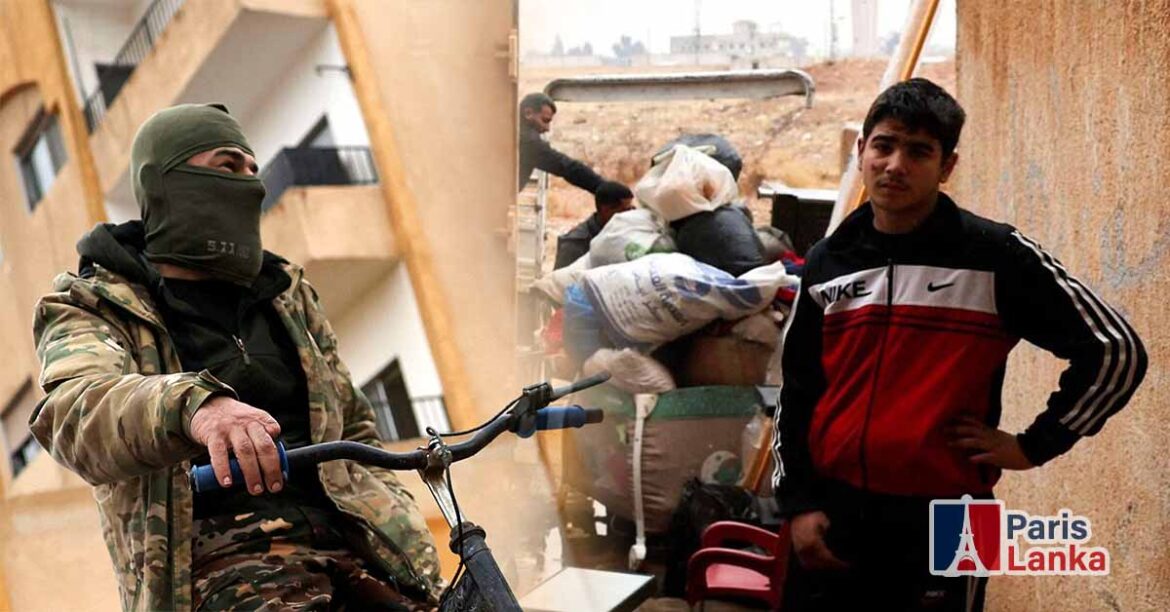
Early one evening in late January, 12 masked men stormed the Damascus home of Um Hassan’s family, pointed AK-47 assault rifles in their faces and ordered them to leave.
When they presented ownership documents, the men arrested Um Hassan’s oldest brother and said they could only have him back once they had moved out. The family surrendered the house 24 hours later and picked him up, battered and bruised, from the local General Security Service headquarters, said Um Hassan, giving only her nickname for fear of reprisals.
Her family is part of Syria’s minority Alawite community, an offshoot of the Shi’ite faith and the sect of former strongman Bashar al-Assad. Their story is not unique.
Since Syria’s President Ahmed al-Sharaa seized power in December, hundreds of Alawites have been forced from their private homes in Damascus by the security forces, according to Syrian officials, Alawite leaders, human rights groups and 12 people with similar accounts who spoke to Reuters.
“We’re definitely not talking about independent incidents. We are talking about hundreds, if not thousands, of cases of evictions,” said Bassam Alahmad, executive director of human rights group Syrians for Truth and Justice (STJ).
The mass evictions of Alawites from privately owned homes have not been previously reported.
For more than 50 years, Assad and his father before him crushed any opposition from Syria’s Sunni Muslims, who make up more than 70% of the population. Alawites took many of the top positions in government and the military and ran big businesses.
They now accuse supporters of Sharaa, who once ran an al Qaeda affiliate, of systematically abusing them as payback.
In March, hundreds of Alawites were killed in Syria’s western coastal region and sectarian violence spread to Damascus in apparent retribution for a deadly ambush on Syria’s new security forces by armed Assad loyalists.
Two government officials said thousands of people had been kicked out of homes in Damascus since Assad was toppled by Sharaa’s rebel force, with the majority being Alawites.
The officials said most resided in government housing associated with their jobs in state institutions and, since they were no longer employed, they had lost their right to stay.
But hundreds more, like Um Hassan, were evicted from their privately owned homes simply because they are Alawites, Reuters interviews with multiple officials and victims show.
The interior ministry, which oversees the GSS, and Sharaa’s office did not respond to requests for comment.
Maduka
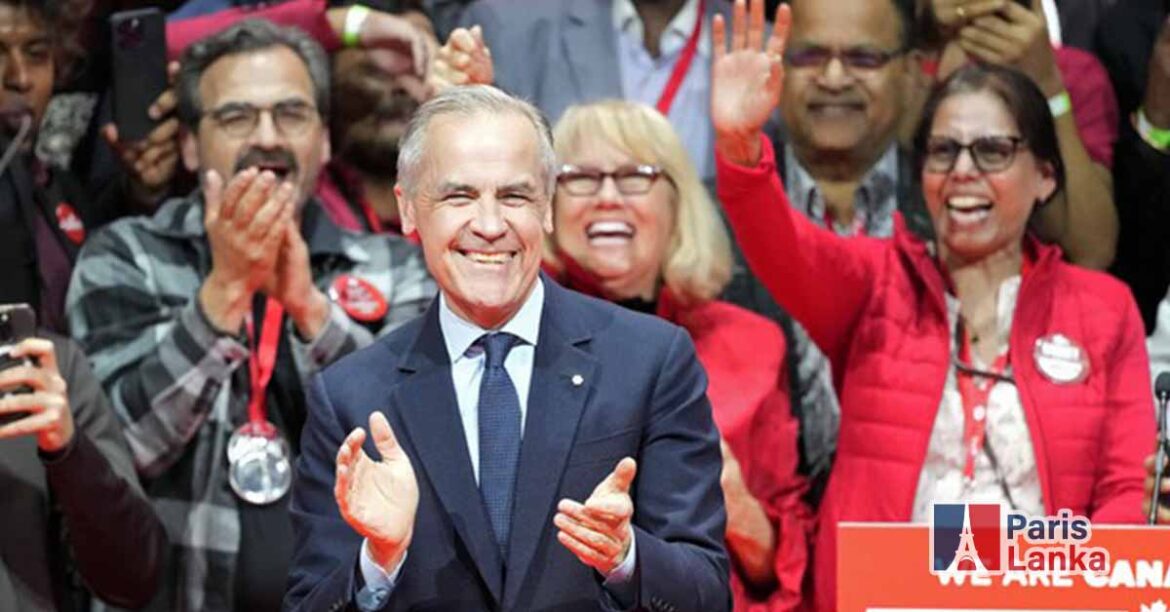
Canada will ‘never’ yield to Trump’s threats as Prime Minister Carney declares election victory
Canadian Prime Minister Mark Carney said his country would “never” yield to the United States as he declared victory in federal elections early Tuesday, following a campaign overshadowed by relentless provocations and steep trade tariffs imposed by US President Donald Trump.
The Liberal Party leader issued a stunning rebuke to Trump as he sent a message of unity to a divided nation, promising to “represent everyone who calls Canada home.”
“As I have been warning for months, America wants our land, our resources, our water, our country. But these are not idle threats. President Trump is trying to break us so that America can own us,” Carney said, as he hailed a remarkable reversal in fortune for his party. “That will never ever happen.”
Carney reiterated statements he made on the campaign trail about the vastly changed nature of Canada’s relationship with the United States.
“We are over the shock of the American betrayal but we should never forget the lessons. We have to look out for ourselves. And above all we have to take care of each other,” he said.
Voters have returned Canada’s Liberal Party to power for a fourth consecutive term, but Carney will lead a minority government, according to projections from CNN’s broadcast partner CBC.
The Liberals won 169 seats, three short of the 172 needed to govern without support from a smaller party. In many Canadian constituencies, known as ridings, the results were close and could be subject to judicial recounts in the coming weeks.
Conservative opposition leader Pierre Poilievre conceded defeat early Tuesday. Capping a bad night for his party, Poilievre – whose party enjoyed a lead of more than 20 points over the Liberals before Trump returned to the White House – also lost his seat of Carleton to the Liberal challenger, Bruce Fanjoy. Poilievre had held that Ottawa-area seat for more than 20 years.
Leaders from Mexico, the European Union, Australia, the United Kingdom, and elsewhere were quick to congratulate Carney on his victory. Carney’s office said in a statement Tuesday evening that Trump had also called the prime minister to congratulate him.
“The leaders agreed on the importance of Canada and the United States working together – as independent, sovereign nations – for their mutual betterment,” the statement read. “To that end, the leaders agreed to meet in person in the near future.”
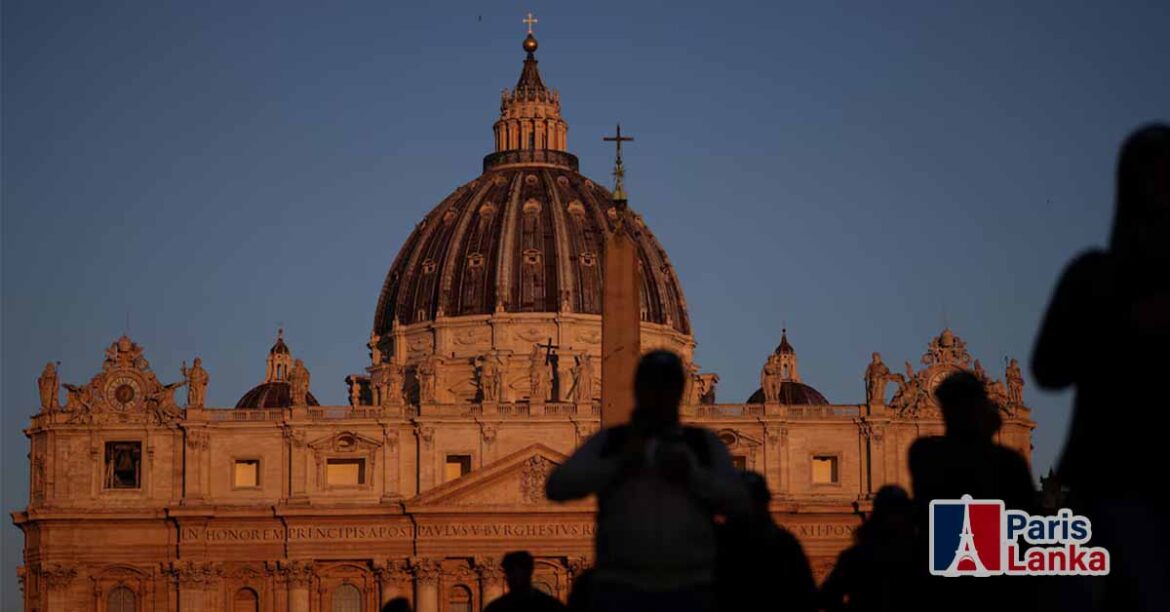
With betting on the next pope frowned upon in the home of the Vatican, thousands of Italians have instead taken to playing “Fantapapa”, an online game inspired by the fantasy leagues familiar to sports fans.
International gambling companies, never shy of a marketing opportunity, are offering odds on various candidates to succeed Pope Francis when cardinals meet in a secret conclave from May 7.
In Italy, however, no licensed gambling platform is taking bets on ‘papabili’, as the papal contenders are known. Fantapapa offers an alternative for those who want some gaming before the white smoke rises.
Players create a team of 11 papal candidates and win points if a team member is mentioned prominently in media within Italy and beyond. Extra points are allocated if one of your picks is elected, with bonuses for correct guesses on other elements such as the name taken by the new pontiff.
“As of now (Cardinal Matteo) Zuppi is the preferred candidate and, notably, most of the followers on our Instagram profile are women,” Pietro Pace, one of the creators,
Zuppi, the archbishop of Bologna and the head of the Italian bishops’ conference, is a well-known figure in the country.
Pace, an AI architect at Microsoft, and Mauro Vanetti, a video game developer, started working on the platform in February when Francis went into hospital. The game, which is free to play and carries no adverts, went online shortly after he died on April 21, and the number of users approached 60,000 this week.
“There are no prizes, it’s just for fun and for the eternal glory,” Pace said.
NOVELTY BETS
Betting on the conclave is not illegal in Italy, but it is discouraged.
“In Italy there is no law expressly prohibiting betting on the election of the pope,” explained Nicola Tani, head of specialist media outlet Agipronews.
“However, the Customs Agency, which authorises the subject of bets in advance, has informally asked gaming licensees to avoid offering odds on the election of the pope, as is the case for Italian political elections,” Tani added.
For gambling companies elsewhere, bets on the pope fall into the novelty category of one-off events that cannot be judged by conventional statistics or sporting form. Sums wagered are relatively small.
On Polymarket, a blockchain-based prediction market, the “Who will be the next Pope?” market has seen a modest $10 million in total volume. By comparison, a possible Fed decision on interest rates in May has seen almost $30 million in bets.
Favourites are starting to emerge.
“There’s already plenty of speculation on the next Pope, and currently we make the Vatican Secretary of State, Pietro Parolin, our favourite at 9/4,” said Lee Phelps, spokesperson for British-based gambling group William Hill.
He added that “Luis Antonio Tagle is second in our market at 3/1 and would become the first Asian Pope in history, while Matteo Zuppi and Peter Turkson are both priced at 6/1.”
Tagle is from the Philippines. Turkson is from Ghana and would be the first Black pope in modern history.
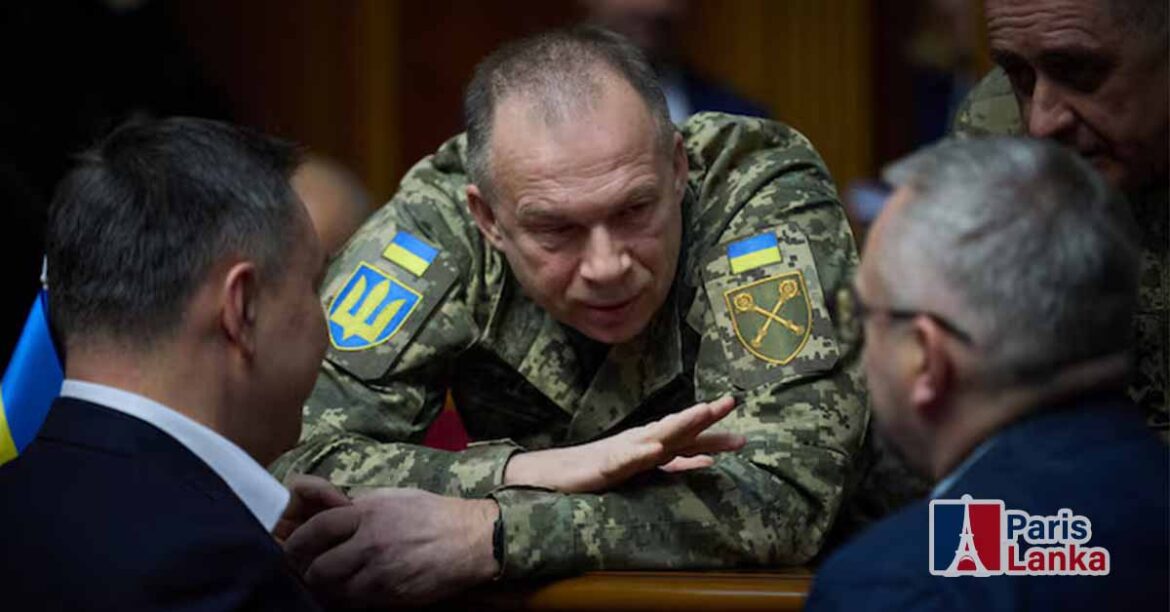
Russians fighting more intensely despite ceasefire talk, Ukrainian commander says
Russian forces have significantly increased the intensity of their combat activity in eastern Ukraine, Ukraine’s top military commander Oleksandr Syrskyi said on Wednesday.
Russian President Vladimir Putin has declared a three-day ceasefire from May 8-10 to mark the 80th anniversary of the victory of the Soviet Union and its allies in World War Two. Ukrainian President Volodymyr Zelenskiy wants an immediate ceasefire lasting at least 30 days.
“Despite loud statements about readiness to cease fire for the May holidays, the occupiers (Russian forces) have significantly increased the intensity of combat actions, focusing their main efforts on the Pokrovsk direction,” Syrskyi said on Telegram.
Reuters could not independently verify the battlefield situation, including the intensity of Russian combat actions.
Russian forces, which began their full-scale invasion of Ukraine in February 2022, have for months been trying to encircle the eastern town of Pokrovsk, a logistics hub, but Ukrainian resistance has slowed their advances in the area. Moscow sees taking control of Pokrovsk as an important stepping stone to incorporating the whole of Ukraine’s Donetsk region into Russia. Moscow de facto controls most of the region.
Kyiv and its allies reject Russia’s territorial claims as illegal and accuse Moscow of prosecuting a war of colonial conquest.
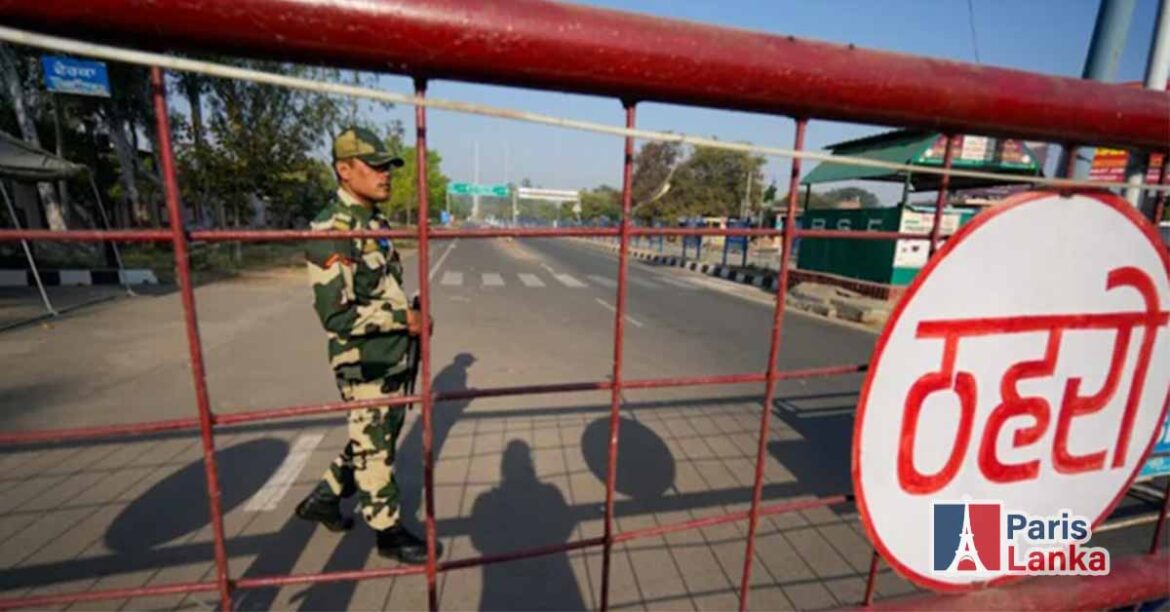
Indus Waters cut, trade halted: How India’s diplomatic hammer has sparked triple crisis in Pakistan
India’s suspension of the Indus Waters Treaty and shutting the Attari-Wagah border following the heinous Pahalgam terror attack has rattled Pakistan’s already struggling economy. Islamabad, caught off-guard by the swift and sweeping measures, is now facing mounting pressure across critical sectors — agriculture, health, fertiliser supply, and access to vital water resources.
Through the now-suspended IWT, Pakistan gets roughly 80% of the waters of western rivers (Indus, Jhelum and Chenab) that flow through India into Pakistan, whereas India’s share from the eastern rivers (Beas, Ravi and Sutlej) is 20%. The suspension of the treaty will hit Pakistan way more than India.
“This is a clever, popular and populistic measure,” said Happymon Jacob, an associate professor of diplomacy and disarmament at Jawaharlal Nehru University, as quoted by New York Times.
Agriculture – Pakistan’s lifeline under threat
Agriculture is the backbone of Pakistan’s economy, contributing around 20% to its GDP and employing over 38% of its labour force. In fact, more than 80% of Pakistan’s agriculture and around a third of its hydropower generation depend on the waters of the Indus basin.
Following the suspension of the IWT, New Delhi has hinted at restricting or diverting waters from the eastern rivers (Ravi, Beas, Sutlej) for exclusive Indian use. While India cannot stop water flows immediately, but even a marginal reduction in river flow could cripple irrigation cycles in key agricultural belts like Punjab and Sindh, which depend heavily on the Indus system for crops such as wheat, rice, cotton and sugarcane.
According to US Department of Agriculture data (2015–2018 averages), the Punjab province alone accounts for 77% of Pakistan’s wheat production. Sindh contributes another 15%, while Khyber Pakhtunkhwa accounts for about 5%, and Balochistan just 3.5%. The heartland of Pakistan’s wheat belt is crisscrossed by rivers like the Chenab, Jhelum, Ravi, and Sutlej, all of which originate in India. This means any reduction or disruption in water flow would severely impact over three-fourths of Pakistan’s wheat output.
Districts along the Indus and its tributaries, including areas around Rawalpindi, Sialkot, Multan, and Bahawalpur, report the highest wheat production levels (ranging between 450 to 1,200 thousand metric tons). Central and Southern Punjab regions, shown in deep green on the map, would be particularly vulnerable if water shortages persist during critical sowing and harvesting windows.
Food prices in Pakistan are already soaring due to internal economic woes. Any shock to agriculture output, especially wheat — the staple food — will further fuel inflation, deepen poverty, and create rural unrest. A shortfall in wheat could also force Pakistan to import grains, straining its fragile foreign exchange reserves.
Medicine shortages: A brewing health crisis
With Islamabad suspending trade ties, a day after India downgraded diplomatic relations with Pakistan, its health authorities have initiated emergency measures to secure pharmaceutical supplies. Currently, Islamabad relies on India for 30-40 per cent of its pharmaceutical raw materials, including Active Pharmaceutical Ingredients (APIs) and advanced therapeutic products. Critical life-saving drugs for cancer, cardiovascular diseases, diabetes, and antibiotics were sourced from Indian manufacturers due to their affordability and quality.
India’s department of pharmaceuticals has requested the pharma exports body to prepare a list of medicines and pharmaceutical products exported to Pakistan.
Reports suggest that Drug Regulator Authority of Pakistan (DRAP) is exploring alternative sources in China, Russia and several European countries.
The country could witness shortage of vital medicines if immediate steps are not taken. The shortage of medicines will inevitably lead to a surge in prices, making essential healthcare unaffordable for a large segment of the Pakistani population. This scarcity will also fuel the growth of black markets, where unregistered and potentially substandard medicines, often smuggled from various sources, will be sold at exorbitant prices, further jeopardizing public health.
Fertiliser shortage: Food production at risk
India has historically been a major supplier of DAP (Di-ammonium phosphate) and urea, critical fertilisers for Pakistan’s major crops. The trade suspension by Pakistan means it must now seek more expensive imports from Gulf countries, China, or Central Asia.
However, this will likely involve higher transportation costs and potential delays in supply, further impacting the agricultural cycle and overall productivity. The reliance on distant suppliers also increases Pakistan’s vulnerability to global supply chain disruptions and price volatility.
A stock of gold jewellery, including gem-studded rings, necklaces, and pendants worth approximately Rs. 4.5 million, has reportedly been stolen from a safe at the official residence of the Swiss Ambassador to Sri Lanka, according to Kollupitiya Police.
Police have launched an investigation following a complaint lodged yesterday (29) by the Swiss Ambassador with the Kollupitiya Police.
The Ambassador had left for Switzerland on the 12th of this month and returned to Sri Lanka on the 27th. During her absence, five staff members had been on duty at the residence. Statements have been recorded from all five by the Kollupitiya Police.
According to the complaint, the stolen items were kept in a safe in an upstairs room of the Ambassador’s official residence. The missing items include a diamond-studded ring, an emerald-studded ring, a gold necklace, a white gold bracelet, a gold wedding ring, a ruby-studded gold ring, a gold pendant, a pair of sapphire-studded gold earrings, and an Omega Ladymatic wristwatch.
Opposition MP Harsha de Silva says Sri Lanka will have to reapply for the European Union’s Generalised Scheme of Preferences Plus (GSP+).
Taking to ‘X’, he said Sri Lanka has to reapply as the trade concession will end by 2027.
“I double checked… There is no quota to seek an increase,” he said.
MP Harsha de Silva further said Sri Lanka now has to deliver on its promises on the Prevention of Terrorism Act (PTA) and the Online Safety Act (OSA).
He made the comments following a discussion with the visiting European Union Commission delegation.
රමාල් සිරිවර්ධන අවස්ථා කිහිපයකදී, විවිධ රජයයන් යටතේ මීට ඉහතදී තුන් වරක් ලංකා ගමනාගමන මණ්ඩලයේ සභාපති ධූරයට පත් කර තිබේ.
සිව් වන වරට 2024 ඔක්තෝබර් මාසයේදී රමාල් සිරිවර්ධන ලංකා ගමනාගමන මණ්ඩලයේ සභාපතිවරයා ලෙස පත් කරනු ලැබුවේ, එවකට ප්රවාහන අමාත්ය ධූරය දැරූ විජිත හේරත් විසිනි.
1994 සිට 2001 චන්ද්රිකා බණ්ඩාරනායක ජනාධිපතිනිය වී සිටි සමයේත්, 2006 සිට 2007 දක්වා මහින්ද රාජපක්ෂ පාලන සමයේ මෙන් ම 2015 සිට 2019 දක්වා මෛත්රීපාල සිරිසේන ජනාධිපති ධූරය දරන සමයේත් රමාල් සිරිවර්ධන ලංගම සභාපතිවරයා ලෙස කටයුතු කළේ ය.
ඔහු එම ධූරය නොදැරුවේ, ජනාධිපති ගෝඨාභය රාජපක්ෂ රට පාලනය කළ සමයේ සිට අනුර කුමාර දිසානායක ජනාධිපති ධූරයට පත්වන තෙක් කාලය තුළ පමණි.
තව ද ඔහු ජාතික ජන බලවේගය නියෝජනය කරමින් අපේක්ෂයෙකු ලෙස ගම්පහ මහ නගර සභාවට තරග කිරීම සඳහා නාම යෝජනා ද ලබා දී තිබිණි.
මීට පෙර සභාපති ධූරයෙන් ඉවත් වීම
2019 වසරේදී රමාල් සිරිවර්ධන ලංගම සභාපතිවරයා ලෙස කටයුතු කරන සමයේදී සැක සහිත රක්ෂණ ගනුදෙනුවක් පිළිබඳ චෝදනාවක් ද ඔහුට එල්ල වී තිබිණි.
එම චෝදනාවලින් පසුව ඔහු සිය ධූරයෙන් ඉල්ලා අස්වූ අතර ඇතැම් මාධ්ය වාර්තා කර තිබුණේ, එවකට ප්රවාහන අමාත්යවරයා වූ අර්ජුන රණතුංග සමග ඇති කර ගත් මතභේදයක් හේතුවෙන් ඔහු ධූරයෙන් ඉල්ලා අස්වූ බව ය.
එහෙත්, එම අවස්ථාවේ ද ඔහු මාධ්යයට පවසා තිබුණේ පෞද්ගලික හේතුවක් මත ධූරයෙන් ඉල්ලා අස්වූ බව ය
වට්ස්ඇප් කෙටි පණිවිඩ ඔස්සේ දුන් පිළිතුරු
මෙවර සභාපති ධූරයෙන් ඉවත් වීම සම්බන්ධව විමසීමට දුරකතනය ඔස්සේ ඔහු ඇමැතීමට ගත් උත්සහය සාර්ථක වූයේ නැත.
එහෙත්, ඉල්ලා අස්වීම පිළිබඳව විමසමින් වට්ස්ඇප් ඔස්සේ බීබීසි සිංහල සේවය යොමු කළ කෙටි පණිවිඩ කිහිපයට පිළිතුරු ලැබිණි.
“අතිශය පෞද්ගලික කරූණක් නිසා ඉල්ලා අස්වූ” බවට අප යොමු කළ කෙටි පණිවිඩයට පිළිතුරු ලෙස ලබා දී තිබිණි.
බිමල් රත්නායක ඇමැතිවරයා සමග මත ගැටුමක් සිදුවූ බවට පැතිර යන රාවය සත්යයක් දැයි අපි ඔහුගෙන් විමසීමු.
“කිසිදු මත ගැටුමක් ඇති නොවිණි,” යැයි වට්ස්ඇප් ඔස්සේ කෙටි පණිවිඩයකින් පිළිතුරු දුන්නේ ය.
“මා මෙම රජය බලයට පත්කිරීමට ගම්පහ ආසනයේ ඉතාමත් ම ක්රියාකාරීව පසුගිය අවුරුදු තුනේදි ම වැඩ කළේ කිසිදු තනතුරක් අපේක්ෂාවෙන් නෙමෙයි,” කෙටි පණිවිඩයකින් පිළිතුරු ලබා දෙනු ලැබුවේ නැවත රජයේ වෙනත් තනතුරක් ලබා දුනහොත් බාර ගන්නේ දැයි බීබීසි සිංහල යොමු කළ පැනයට ය.
අලුත් සභාපති කවුද?
රමාල් සිරිවර්ධන ඉල්ලා අස්වීමෙන් පුරප්පාඩු වූ ලංගම සභාපති ධූරයට පත්වන නව සභාපති කවුදැයි ප්රවාහන හා මහාමාර්ග නියෝජ්ය අමාත්ය ප්රසන්න කුමාර ගුණසේනගෙන් බීබීසි සිංහල සේවය විමසීමක් කළේ ය.
එහදී ඔහු සඳහන් කළේ, ඒ සම්බන්ධව මෙතෙක් තීරණයක් ගෙන නොමැති බව ය.
BBC
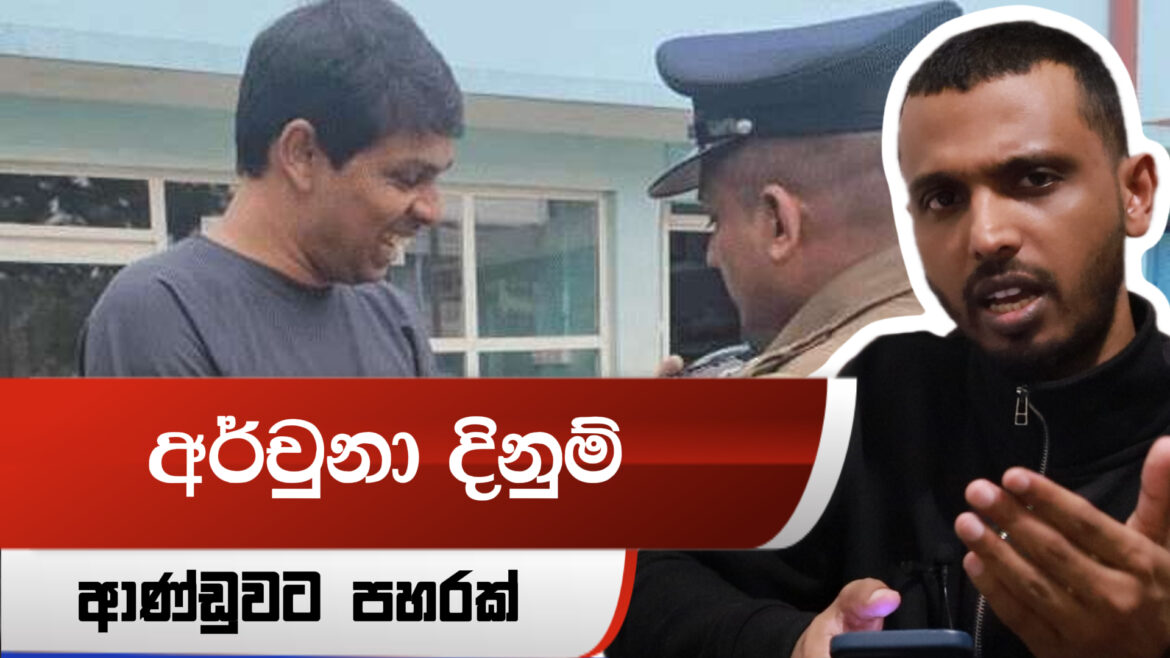
පාර්ලිමේන්තුව තුළ කලහකාරී හැසිරීමක් ප්රකට කරමින් සමාජය තුළත් අවිචාරවත් හැසිරීමක් ප්රකට කළ යාපනය දිස්ත්රික් පාර්ලිමේන්තු මන්ත්රී වෛද්ය රාමනාදන් අරච්චුනා අද (29) පස්වරුවේ විශේෂ පොලිස් කණ්ඩායමක් විසින් අත් අඩංගුවට ගත්තේය.
පොලිසිය පවසන්නේ යාපනය ප්රදේශයේදී විශේෂ පොලිස් කණ්ඩායමක් විසින් පාර්ලිමේන්තු මන්ත්රී රාමනාදන් අර්චුනා අත්අඩංගුවට ගත් බවය.
පොලිස් මාධ්ය ප්රකාශක ජ්යෙෂ්ඨ පොලිස් අධිකාරී බුද්ධික මනතුංග සඳහන් කළේ සැකකාර මන්ත්රීවරයාව අනුරාධපුර මහෙස්ත්රාත් අධිකරණය වෙත ඉදිරිපත් කිරීමට නියමිත බවය.
සැකකාර මන්ත්රීවරයා විසින් 2025 ජනවාරි 20 වනදා රාත්රී කාලයේ අනුරාධපුර තලාව ප්රදේශයේදී රථවාහන රාජකාරිවල නිරතව සිටි පොලිස් නිලධාරීන්ට සාපරාධී බලහත්කාරය පා රාජකාරියට බාධා කර තිබිණි.
පසුව අනුරාධපුර පොලීසිය මගින් මේ පිළිබඳව විමර්ශන ආරම්භ කර අනුරාධපුර මහෙස්ත්රාත් අධිකරණය වෙත කරුණු වාර්තා කරමින් නඩු කටයුතු සිදුකළේය.